I. Introduction
The China tire factory sector is undergoing a significant global expansion. In response to domestic overcapacity, intensifying price competition, and continuing anti-dumping and countervailing duties imposed by the United States and Europe, China tire factories have invested in overseas production bases to overcome trade barriers and access global markets.
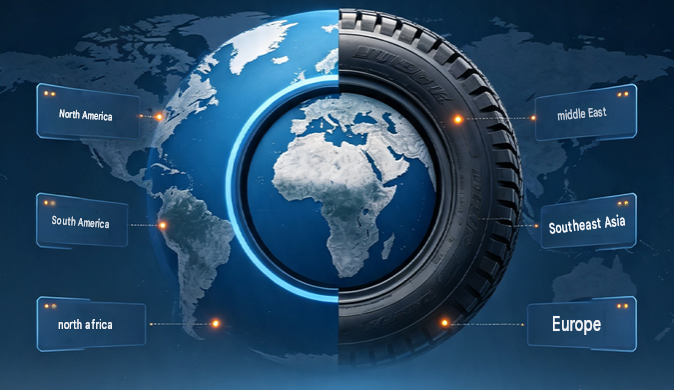
Currently, China tire factory companies have launched over 40 overseas production projects across Southeast Asia, Europe, North Africa, North America, and South Asia, forming a global manufacturing network. This marks the China tire industry’s transition into a “global manufacturing, local supply” phase. This article analyzes the distribution pattern of overseas factories, the core advantages of each region, and the impact on industrial upgrading.
II. The Overseas Footprint: Strategic Value of Four Core Regions
The site selection of China tire factory overseas investments is based on comprehensive consideration of raw material supply, tariff policies, market potential, and cost factors, forming four regionally distinct functional zones.
Southeast Asia: The Core Hub for Base Production Capacity
1. Location concentration: This region represents the earliest and most concentrated overseas investment destination for China tire factories, with nearly 30 facilities clustered in Thailand, Vietnam, Cambodia, Indonesia, and Malaysia.
2. Raw material access: The region’s proximity to natural rubber producing areas reduces raw material logistics costs and ensures supply stability.
3. Cost structure: Local labor and land costs are relatively low, providing an economic foundation for production.
4. Tariff advantages: Free trade agreements signed between Thailand, Vietnam, and Cambodia with major Western markets allow China tire factories to circumvent some of the high tariffs applied to direct exports.
5. Country specialization: Thailand is the most mature base with full-capacity production by leading companies; Cambodia has seen the densest project launches in recent years; Vietnam’s factory layout complements Thailand’s production capacity.
North Africa: The Gateway to the European Market
1. Tariff arrangements: Morocco and Egypt have signed free trade agreements with the EU, granting locally produced tires zero-tariff access to the EU market and circumventing European trade barriers against Chinese products.
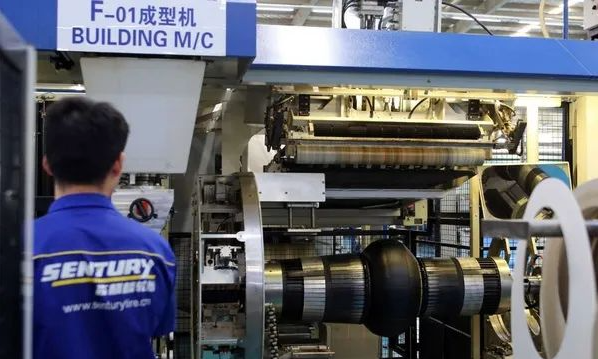
2. Production scale: Sentury Tire’s plant in Morocco is already at full capacity, while projects by Yongsheng Rubber and Guizhou Tire are under construction. Egypt hosts production bases for Sailun and Long March Tire, with substantial planned total capacity.
3. Market coverage: Growing vehicle ownership in Africa provides local market demand for these factories, giving them both export and domestic sales functions.
The North American Corridor: Mexico’s Strategic Position
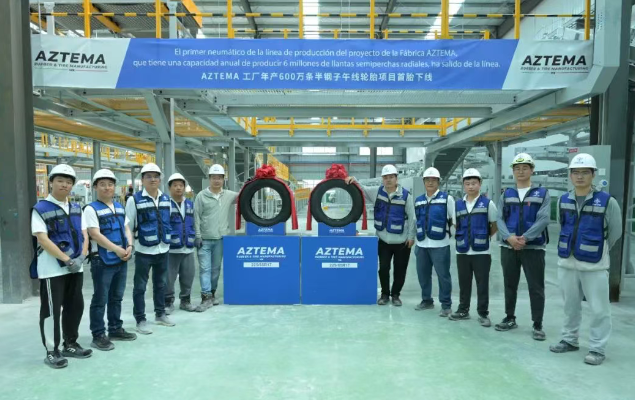
1. Policy context: To counter high punitive tariffs imposed by the United States on Chinese tires and avoid the high costs of building plants in the U.S., Mexico has become the corridor for China tire factories to enter the North American market, leveraging zero-tariff advantages under the USMCA.
2. Current operations: Plants operated by Sailun Group and Zhongce Rubber in Mexico are already in production, with products targeting the North American passenger car replacement tire market.
The European Front: The Bridgehead for Premium Markets
1. Entry requirements: The EU market has both tariff barriers and environmental entry requirements such as carbon tariffs. To enter the OEM supply chains of automakers like BMW and Volkswagen, building plants in Europe is a viable path for China tire factories.
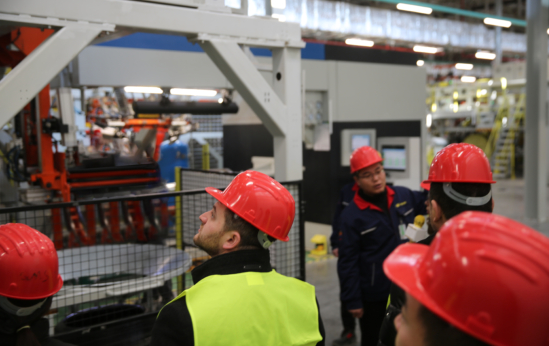
2. Project status: Linglong Tire’s plant in Serbia is already in mass production, supplying European OEMs; Sentury Tire’s premium plant in Spain is in the planning stage.
3. Product focus: European plants concentrate on producing new energy and high-performance radial tires, representing an upgrade for the China tire industry.
III. Key Overseas Factory Distribution at a Glance
Based on the above strategic layout, core factory information for each region is summarized below:
Southeast Asia Region
| Country | Company | Annual Production Capacity | Status |
|---|---|---|---|
| Thailand | Zhongce Rubber | 16M PCR, 4M TBR | Operational |
| Thailand | Linglong Tire | 15M PCR, 2.2M TBR | Operational |
| Thailand | Prinx Chengshan | 2M TBR, 10M PCR | Operational |
| Thailand | General Science | 1.3M TBR, 10M PCR | Operational |
| Thailand | Double Coin Group | 1.8M Truck/Bus, 50K OTR | Operational |
| Thailand | Sentury Tire | 16M PCR, 2M TBR | Operational |
| Vietnam | Sailun Group | 16M PCR, 2.6M TBR, 100K Tons OTR | Operational |
| Vietnam | Guizhou Tire | 2.15M TBR, 6M PCR | Operational |
| Vietnam | Jinyu Tire | 10M PCR | Operational |
| Vietnam | Haohua Tire | 14.4M High-performance | Operational |
| Vietnam | Zhongce Rubber | 5M PCR | Planned |
| Cambodia | General Science | 8.5M PCR, 1.65M TBR | Operational |
| Cambodia | Sailun Group | 9M PCR, 1.65M TBR; plus 12M PCR project | Operational |
| Cambodia | Doublestar Group | 7M PCR, 1.5M TBR | Operational |
| Cambodia | Fomax Tire | 1.2M TBR, 8M PCR | Operational |
| Cambodia | Wanli Tire | 12M PCR | Operational |
| Cambodia | Zhengdao Tire | 13.5M PCR, 1.5M TBR | Operational |
| Cambodia | Frico Tire | 9.2M TBR | Operational |
| Cambodia | Huasheng Rubber Group | TBR and PCR | Planned |
| Cambodia | Triangle Tire | 6M PCR, 1M TBR | Planned |
| Cambodia | Tuopu Tire | 200K Solid Tires | Planned |
| Cambodia | New Continent Rubber | 4.5M PCR | Planned |
| Malaysia | Xindi Tire | PCR, LTR and TBR | Operational |
| Malaysia | Fulin Tire | 7M units | Operational |
| Malaysia | Prinx Chengshan | 6M PCR, 600K TBR | Planned |
| Malaysia | Wanli | 1.2M TBR, 5M PCR | Planned |
| Indonesia | Zhongce Rubber | 500K Truck/Bus, 200K Bias, 3.5M Motorcycle | Operational |
| Indonesia | Sailun | 6M PCR, 750K TBR, 10K Tons OTR | Operational |
| Pakistan | Long March Tire | 1.3M TBR, 3M PCR | Operational |
North Africa Region
| Country | Company | Annual Production Capacity | Status |
|---|---|---|---|
| Morocco | Sentury Tire | 12M High-performance PCR & Light Truck | Operational |
| Morocco | Yongsheng Rubber | 12M PCR | Planned |
| Morocco | Guizhou Tire | 6M PCR | Planned |
| Egypt | Sailun Group | 36M PCR, 3.3M TBR, 20K Tons OTR | Operational |
| Egypt | Long March Tire | 4.5M PCR, 1M Truck/Bus | Operational |
| Egypt | Aeolus Tire | 1.5M Truck/Bus, 30K OTR | Planned |
| Algeria | Doublestar Group | 5M PCR, 2M TBR | Planned |
| Tanzania | Aolaisi | 1.2M TBR | Planned |
| Angola | Liensen Group | Motorcycle and Automotive Tires | Planned |
Europe and Mexico
| Country/Region | Company | Annual Production Capacity | Status |
|---|---|---|---|
| Serbia | Linglong Tire | 12M PCR, 2.4M TBR, 50K Tons OTR | Operational |
| Spain | Sentury Tire | 12M PCR | Planned |
| Mexico | Sailun Group | 6M PCR | Operational |
| Mexico | Zhongce Rubber | 6M PCR | Operational |
IV. Capacity Going Global: Upgrading Profitability, Brand, and Competitiveness
The operation of overseas plants drives changes in the China tire industry across three dimensions.
1)Improved profitability
Overseas plants leverage lower local raw material and production costs, as well as pricing flexibility from tariff avoidance, to enhance product gross margins. Local production and local supply also reduce long-distance shipping costs for China tire manufacturers.
2)Enhanced brand value
By establishing and stably operating overseas plants, China tire manufacturers can serve local automakers and retail chains more closely, shifting away from the past model of occupying low-end replacement markets with low-priced products, and creating conditions for entering OEM supply and premium replacement markets.
3)Strengthened supply chain resilience
A globally distributed manufacturing network allows China tire manufacturers to reallocate production capacity in response to changes in trade policies and geopolitics across different countries, hedging against risks from fluctuations in any single market and ensuring supply continuity.
V. Conclusion
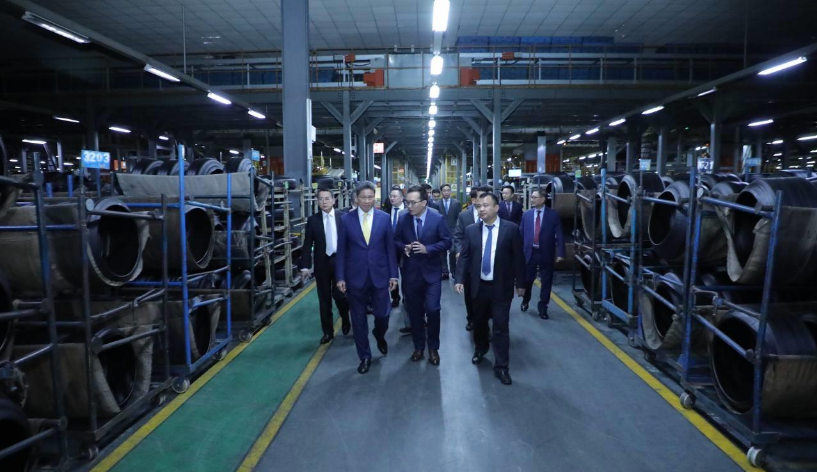
By establishing a manufacturing network across Southeast Asia, North Africa, Europe, and North America, China tire factories circumvent trade barriers and optimize production costs and market responsiveness. Facilities such as the Cambodia tire plant operated by Frico Tire exemplify the scale and diversity of these investments. This process pushes China tire manufacturers to align with international standards in technological benchmarks, production management, and brand cooperation, and facilitates product portfolio shifts toward new energy and high-performance segments. The globalized supply chain network enhances the industry’s profitability and risk resilience, marking the China tire industry‘s progress toward becoming a global brand.